Artificial intelligence has already revolutionized the way images are created, edited, and enhanced. AI image editors have moved from simple automation tools to sophisticated platforms capable of performing complex edits with minimal human input. As technology continues to evolve, the future of AI image editing promises even more innovative features that will transform creative workflows across industries. Understanding these trends is crucial for photographers, designers, marketers, and content creators who want to stay ahead of the curve.
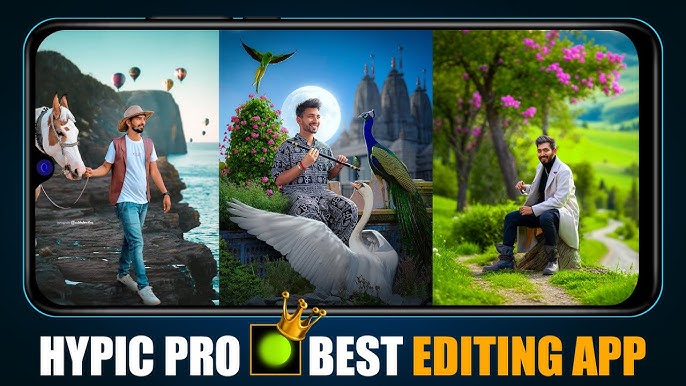
One major trend is the integration of generative AI into image editing platforms. Generative models allow users to create entirely new images or modify existing ones in highly creative ways. For example, AI can generate realistic backgrounds, transform sketches into photorealistic images, or even create variations of a product photo for marketing campaigns. These advancements not only reduce the time and effort required for editing but also expand creative possibilities. Platforms leveraging such capabilities, like the AI Image Editor, are setting the stage for more intuitive and intelligent editing experiences that blur the line between creation and manipulation.
Enhanced Real-Time Editing
Real-time editing is expected to become a standard feature in AI image editors. Currently, some platforms offer near-instant results, but future developments will allow users to see AI-generated changes as they apply edits. This could include live adjustments to lighting, color grading, or style transformations. Real-time feedback will make it easier for professionals to experiment with different creative choices, speeding up workflows and improving efficiency. It will also enhance collaboration, as multiple users can review and edit content simultaneously, seeing updates instantaneously.
Greater Automation and Smart Suggestions
Automation will continue to be a defining feature of AI image editing. Advanced AI systems are being developed to provide smart suggestions based on the content of an image. For example, the AI could recommend the best crop for social media, suggest optimal color corrections, or propose creative effects that align with the user’s brand aesthetics. These intelligent suggestions will reduce trial-and-error in editing and help beginners achieve professional-quality results without extensive technical knowledge.
Integration with Other Creative Tools
AI image editors are likely to integrate more closely with other creative software, such as video editors, design platforms, and marketing automation tools. This integration will allow seamless transfer of assets, consistent application of brand styles, and more efficient management of multimedia projects. For marketers and content creators, this means a unified workflow where images, videos, and graphics can be edited, optimized, and deployed using a single ecosystem powered by AI.
Personalized AI for Users
As AI technology advances, future image editors may offer personalized experiences tailored to individual users. By analyzing editing history and style preferences, AI could automatically apply preferred adjustments and filters, streamlining the workflow even further. This level of personalization will help professionals maintain consistency across large projects and provide beginners with an easier learning curve, effectively adapting to the user’s creative style over time.
Advanced Object Recognition and Segmentation
Improvements in object recognition and segmentation will allow AI editors to perform highly precise edits. Future tools will be able to identify and separate even complex elements within an image, such as overlapping objects, reflective surfaces, or intricate textures. This will make tasks like background replacement, selective retouching, and product photography enhancements faster and more accurate, reducing the need for manual intervention.
AI-Powered 3D and Augmented Reality Features
Another exciting trend is the integration of 3D modeling and augmented reality (AR) into AI image editing. Future platforms may allow users to convert 2D images into 3D objects or integrate AI-generated images into AR experiences. This could revolutionize e-commerce, marketing, and gaming by enabling more interactive and immersive visual content. Users may be able to preview how a product looks in a real-world environment or create dynamic 3D promotional content with minimal effort.
Ethical and Responsible AI Use
As AI image editors become more powerful, ethical considerations will become increasingly important. Developers are focusing on creating AI that ensures image authenticity, prevents misuse, and respects copyright. Future editors may include features that detect manipulated images, provide transparency about AI-generated content, and ensure compliance with legal and ethical standards. This is especially critical for media, advertising, and journalism, where trust and credibility are essential.
Conclusion
The future of AI image editor technology promises unprecedented levels of creativity, efficiency, and automation. From real-time editing and smart suggestions to personalized AI, advanced segmentation, and 3D integration, these tools will redefine the creative process across industries. Businesses, marketers, and content creators who embrace these advancements will be able to produce high-quality, engaging visuals faster and more consistently than ever before. As the technology continues to evolve, AI image editors will not just be tools—they will become essential partners in the creative process, empowering users to bring their ideas to life in ways that were previously unimaginable.